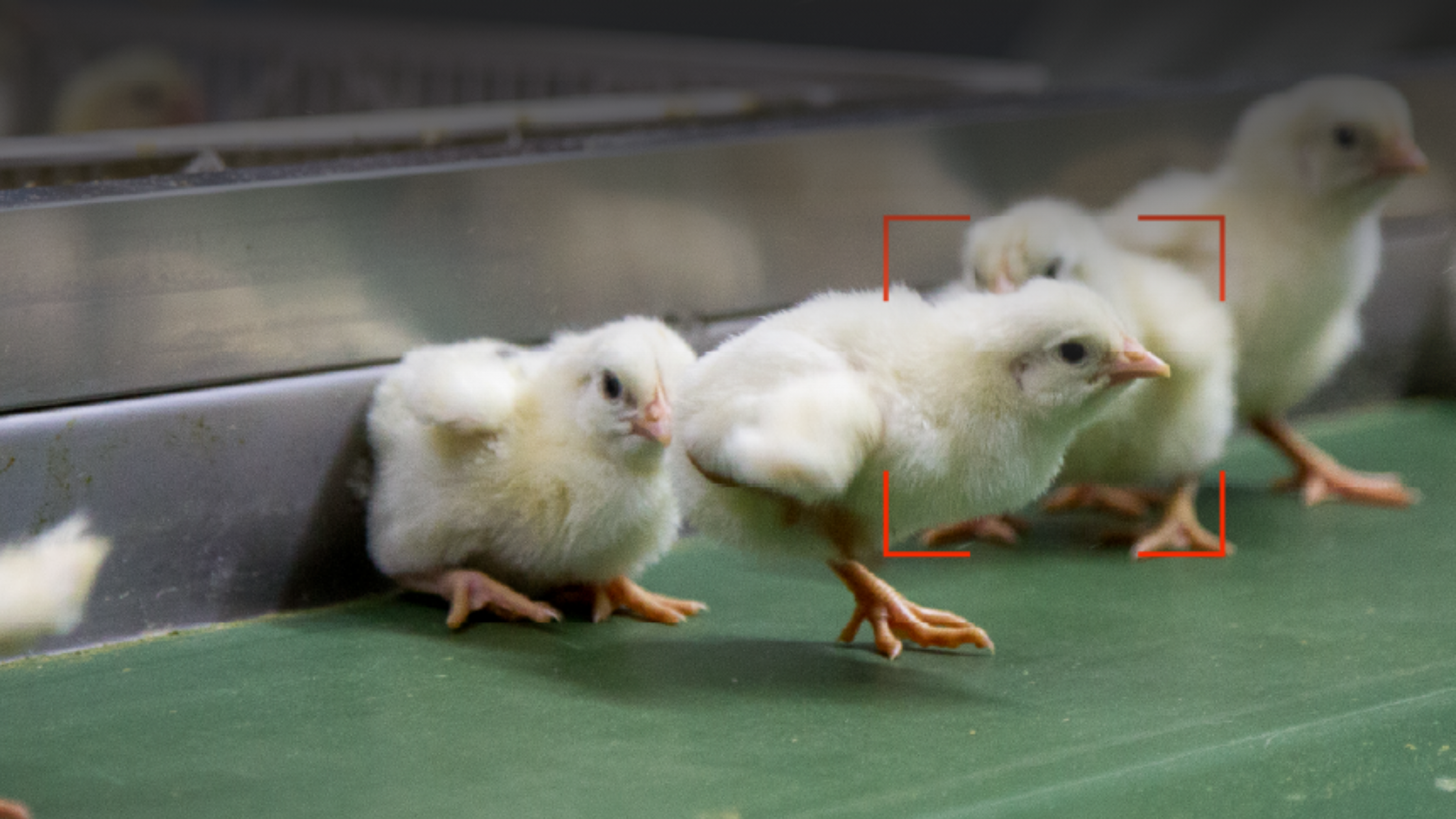
Every day, tens of thousands of newly hatched chicks in India are killed within hours of entering the world. They aren’t sick, injured, or diseased. Their only crime is being male.
In the modern egg industry, male chicks are considered a useless byproduct. Because they cannot lay eggs and haven’t been bred to grow meat as fast or as large as “broiler” chickens, keeping them alive is seen as a financial burden. The systematic slaughter of these day-old male chicks is a practice known as chick culling.
Now, a new investigation by Mercy For Animals is exposing the rotten truth behind every egg, pulling back the curtain on a hidden global playbook that treats living, feeling animals like disposable waste.
Why Does Chick Culling Happen?
To understand chick culling, it helps to look at how the commercial poultry industry operates:
- Broiler Chickens: Bred specifically for meat. Both males and females grow rapidly and are slaughtered at a young age.
- Layer Chickens: Bred specifically for egg production. Only the females are useful to the egg farmer.
Because male layer chicks will never produce eggs and lack the genetics to gain heavy weight for meat, commercial hatcheries view them as economically irrelevant. Feeding and housing them would cost more than any market return. An estimated 7 billion chicks are killed worldwide each year—including over 35,000 male chicks documented in a single day at a single hatchery facility.
Common Culling Methods
While some countries are beginning to regulate the practice, chick culling remains widespread and largely unmonitored:
- Maceration: Fully conscious, hours-old chicks are dropped into high-speed industrial shredders.
- Gassing: Chicks are placed in sealed chambers filled with carbon monoxide or carbon dioxide to cause asphyxiation.
- Suffocation & Drowning: Chicks are stuffed into plastic bags or deep pit bins, where they suffocate under the weight of thousands of others or drown in waste.
The Legal Framework & Human Responsibility
Chick culling raises severe ethical questions about animal welfare and industrial farming practices:
- Extreme Suffering: Maceration and suffocation inflict intense fear and physical distress on sentient animals within their first hours of life.
- Prevention of Cruelty to Animals (PCA) Act, 1960: Indian law prohibits causing unnecessary pain or suffering to animals. However, industrial farming operations frequently operate in regulatory gray areas.
- AWBI Directives: The Animal Welfare Board of India (AWBI) has urged state governments and hatcheries to phase out painful culling methods, calling for more humane practices and modern sex-detection technology.
The Solution Exists: In-Ovo Sexing
The system doesn’t have to kill them. Technological solutions already exist to prevent male chicks from being born only to be killed:
- In-Ovo Sexing: Advanced technology identifies a chick’s sex inside the egg during incubation—long before the chick hatches or develops the capacity to feel pain.
- Global Precedents: Countries like Germany and France have already enacted bans on day-old male chick culling, proving that commercial egg production can transition to in-ovo sexing when held accountable.
How You Can Take Action Today
Ending this hidden practice requires public pressure, corporate commitments, and consumer action. Here is how you can help:
- Add Your Name to the Petition: Join thousands of advocates demanding that food companies, policymakers, and industry leaders adopt in-ovo sexing and ban chick culling.
- Watch & Share the Investigation: Help make this hidden practice impossible to ignore by sharing the evidence across your social networks.
- Sign Up to Volunteer: Join the Mercy For Animals activist network to turn online awareness into local action.