Over the past week, extreme monsoon rains have inundated parts of North India, pushing rivers over danger marks, displacing communities, and sweeping away livelihoods. Delhi and the National Capital Region have seen the Yamuna breach warning levels, Punjab has endured village-wide flooding, and adjoining states have issued fresh alerts.
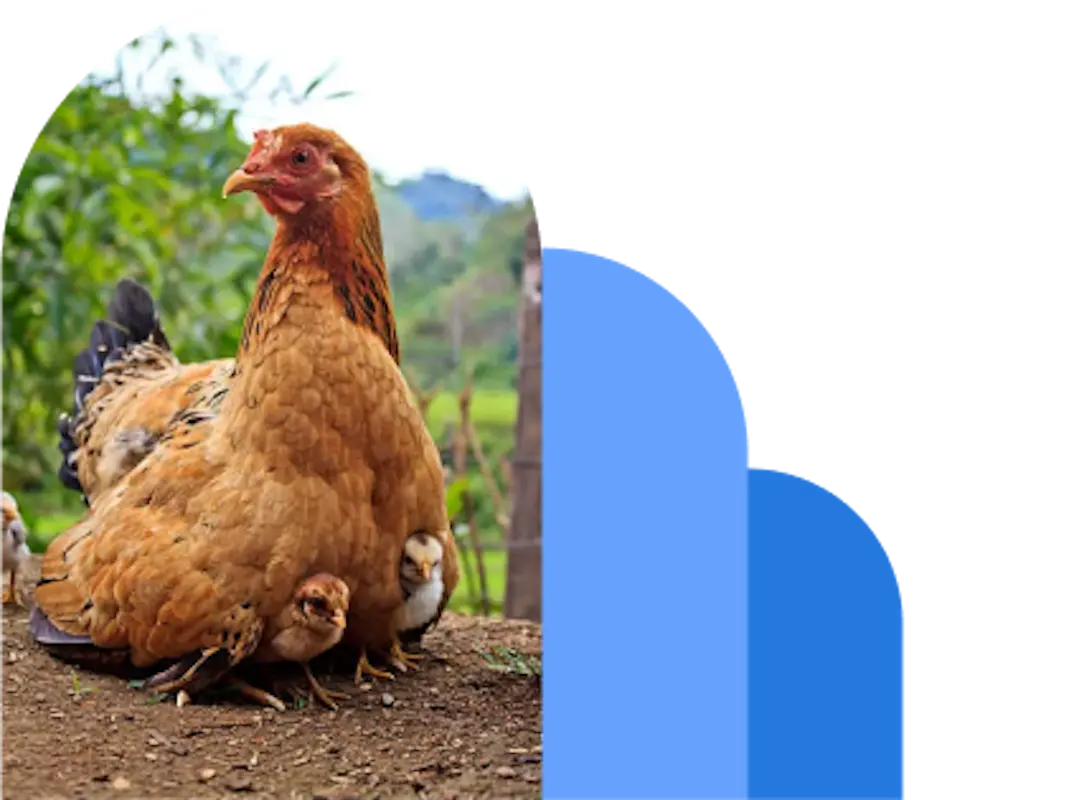
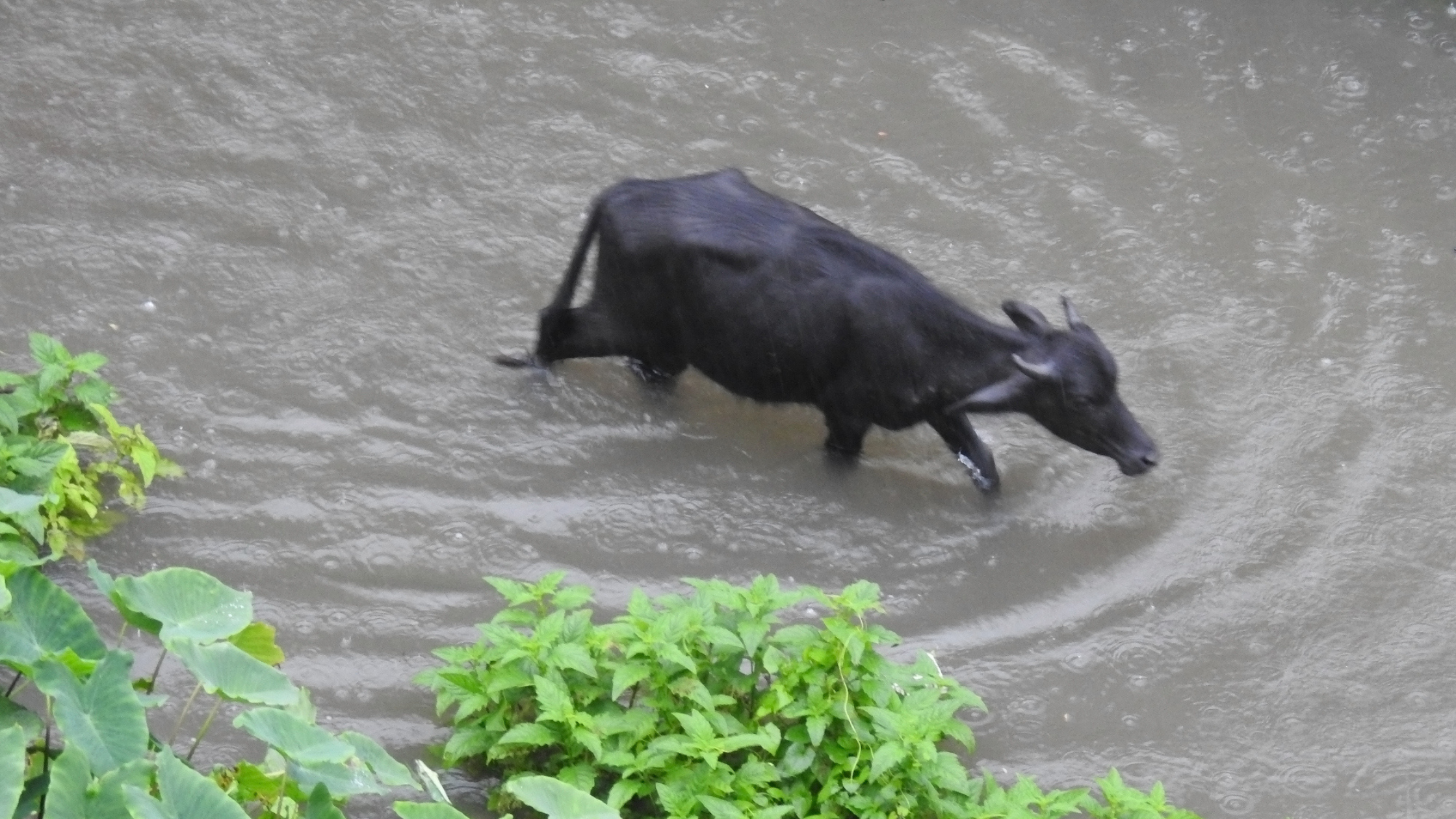
While headlines focus on human rescues and disrupted transport, another emergency unfolds largely out of sight: Thousands of animals—companion animals; street-dependent dogs and cats; and farmed animals like cattle, buffaloes, goats, and chickens—are stranded, starving, or being swept away. Volunteers, veterinarians, and community groups are doing everything they can. But as climate change boosts monsoon extremes, animals will continue paying a terrible price unless we plan and act differently.
What’s Happening Right Now
- Delhi–NCR: With the Yamuna flowing above danger levels, evacuations have been underway. Local administrations and NGOs report relocating people and their animals from low-lying areas. Media outlets on the ground note that all animals in one Old Usmanpur locality were “rescued in time” and that rescue teams will “rescue any livestock that is found to be stranded.”
- Animal rescues in Delhi/Noida: Veterinarians and shelters describe moving injured dogs and cats and relocating cattle, donkeys, and goats to safer facilities as the waters rose.
- Punjab: Hundreds of villages have been inundated since late August. Many families are refusing to evacuate because they won’t leave their animals; relief camps in some areas are explicitly supporting both people and animals, and community groups are mobilising fodder and veterinary aid. https://www.instagram.com/p/DOGsM3Tkv4r/
- Himachal Pradesh: Landslides and flash floods have ravaged villages in Mandi, Kullu, and Kinnaur this season, sweeping away homes, bridges, and animals. Authorities estimate that thousands of animals have died. Many surviving animals face starvation after fodder stores were destroyed. Aid is slow to reach remote areas cut off by landslides.
These snapshots reveal what animal-inclusive disaster response looks like in practice, but they face enormous odds.
Why Climate Change Is Making India’s Monsoon More Dangerous
Scientists are confident that heavy precipitation is increasing over much of Asia as the climate warms; South Asian monsoon rainfall is projected to intensify in the long term. A warmer atmosphere holds more moisture, priming the system for cloudbursts and multiday deluges.
Recent research specifically links increasing extreme precipitation and flood risk in India to climate change, including during the 2024 and 2025 monsoon seasons. Newsrooms and scientists alike warn that heavier downpours and erratic monsoon behaviour are already here, with devastating consequences.
This season’s anomalies, such as spikes far above normal flagged by the India Meteorological Department in several northern states, reflect the pattern of a wetter, more volatile monsoon in a warming climate.

Animal Suffering in India’s Climate Crisis
India has over 53.5 crore farmed animals, many living in flood-prone districts. When waters rise, they face drowning, injury, food shortages, water contamination, disease, and heat-humidity stress. Veterinary universities and state departments urgently advise high-ground evacuation, vaccination, and hoof and wound care in flooded areas, underscoring the real-time risks animals face after inundation.
Floods also disrupt animal shelters and strand street-dependent dogs and cats. In Delhi–NCR, shelters have had to relocate residents and treat injuries as floodwaters entered low-lying facilities.
Beyond immediate harm, climate research shows that extreme weather and heat stress will reduce farmed animal productivity and increase disease risks, compounding farmer losses and animal suffering.
How You Can Help Today
- If you’re in a safe area near the floods, volunteer with vetted local groups rescuing animals or delivering food and water; several NCR and Punjab teams are active now.
- Advocate for animal-inclusive relief with your local representatives—ask whether your district has designated farmed animal shelters, feed stockpiles, and veterinary teams on call.
- Choose kinder, more climate-friendly foods and support cage-free and other welfare reforms that make our food system more resilient and compassionate.
Take the first step today: Download our free vegan starter guide, and discover how plant-based helps protect animals and the planet.