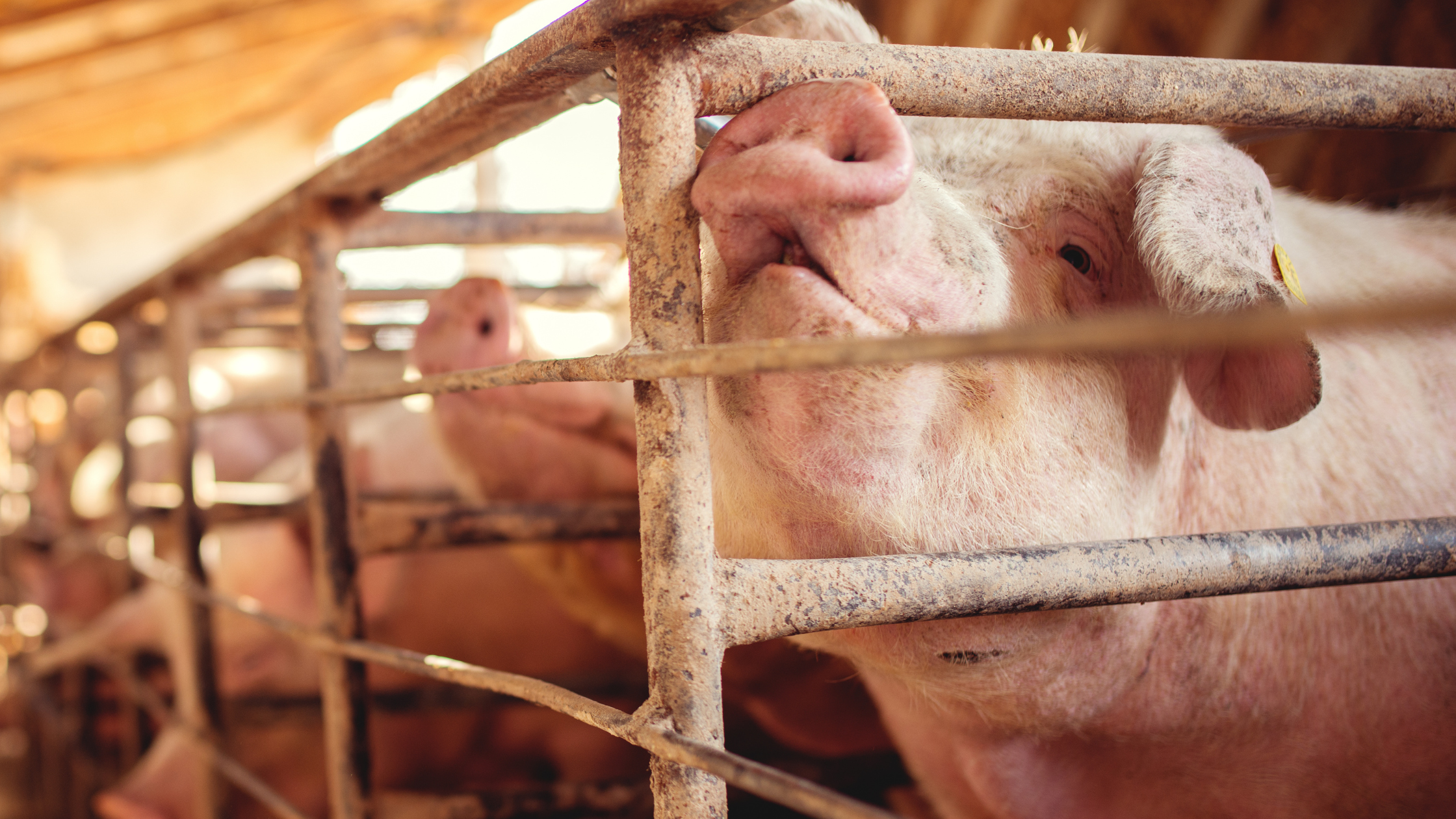
The Government of Uttarakhand has taken an important stride for animal welfare by issuing a state-wide advisory prohibiting the feeding of unregulated food waste – known as swill – to pigs. This action comes after a formal appeal by the Mercy For Animals India Foundation, which raised concerns about the serious health risks this practice poses to both animals and humans.
Why this Matters
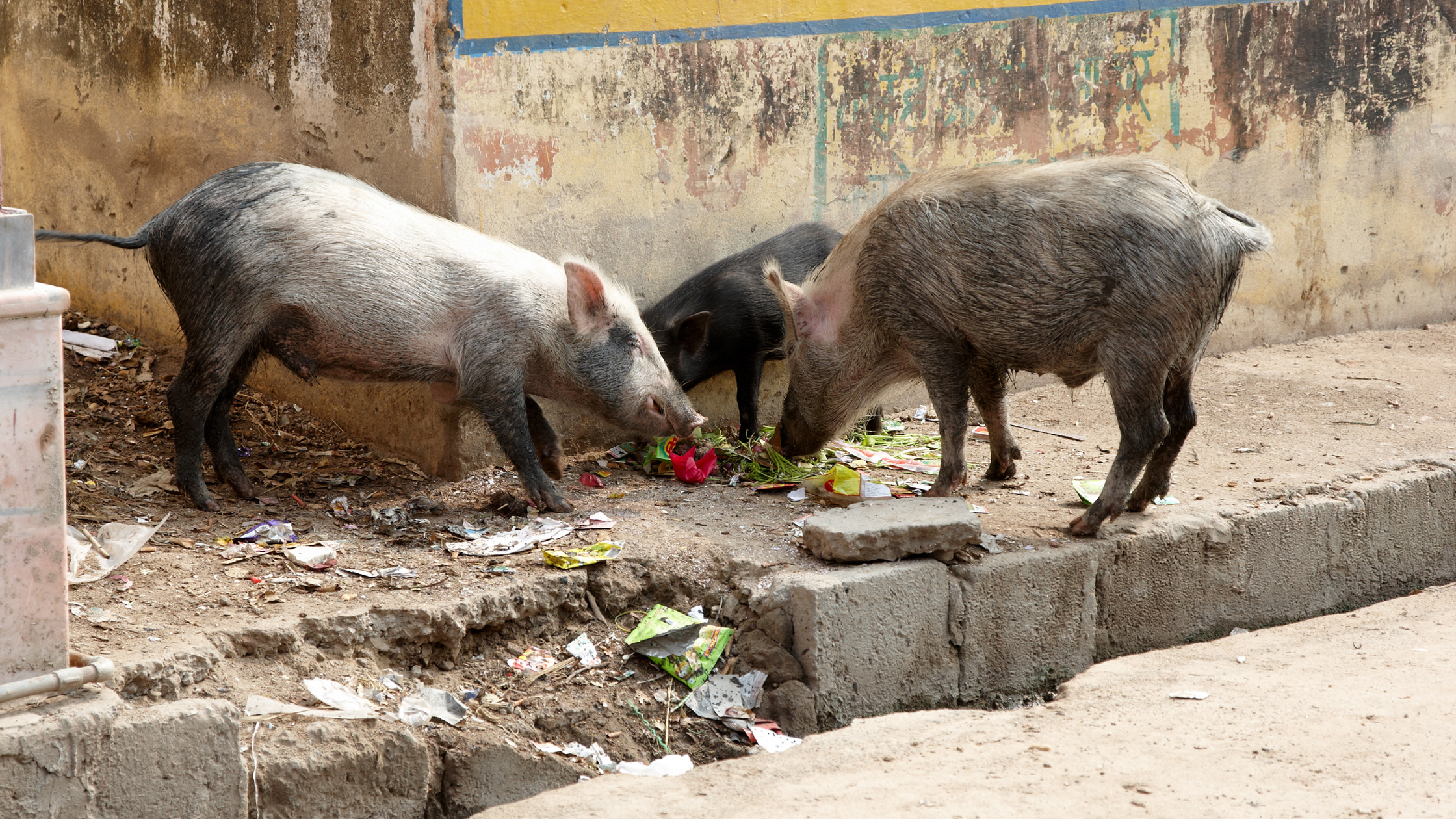
Across India, most pig farms rely on leftover food from hotels, restaurants, and kitchen waste as feed for pigs. Such waste is often spoiled, moldy, or contaminated with excessive oil, salt, or spice, making it dangerous for animals.
According to the Food and Agriculture Organization (FAO) and the World Organisation for Animal Health (WOAH/OIE), feeding untreated food waste is a major cause of livestock disease outbreaks, including African Swine Fever (ASF) and Foot and Mouth Disease (FMD). These diseases can devastate pig populations, threaten farmers’ livelihoods, and disrupt the food supply chain.
What’s Changing for Pig Farming in Uttarakhand
Issued by the Directorate of Animal Husbandry, the advisory directs Chief Veterinary Officers in all districts to:
- Educate farmers about the health and disease risks associated with feeding waste food to pigs.
- Monitor state-run pig farms to ensure no rotten or fungus-infected materials are used as feed.
- Implement awareness and compliance programmes to promote safe, humane feeding practices statewide.
These steps will help bring pig farming in Uttarakhand in line with scientific biosecurity standards recommended by the ICAR–National Research Centre on Pigs (ICAR–NRC).
Mercy For Animals India’s Recommendations
In its letter to the Animal Husbandry Directorate, Mercy For Animals India emphasized the urgent need to phase out unregulated feeding practices and replace them with science-backed systems. We urged authorities to:
- Adopt ICAR–NRC guidelines on scientific housing, hygiene, and waste management.
- Strengthen surveillance under the national ASF action plan (2020) to regulate pig movement and control outbreaks.
- Launch training and awareness programmes to help farmers adopt biosecurity best practices.
- Introduce monitoring systems to ensure compliance through regular inspections.
These reforms would not only safeguard animal health but also protect farmer incomes and enhance food safety.
A Model for Other States
With this move, Uttarakhand joins a growing list of states taking action to improve welfare standards for pigs and reduce the risk of zoonotic disease outbreaks. Strengthening hygiene and feeding systems benefits everyone – animals, farmers, and people alike.Mercy For Animals India continues to work with governments across the country to ensure farming practices reflect both scientific understanding and compassion.