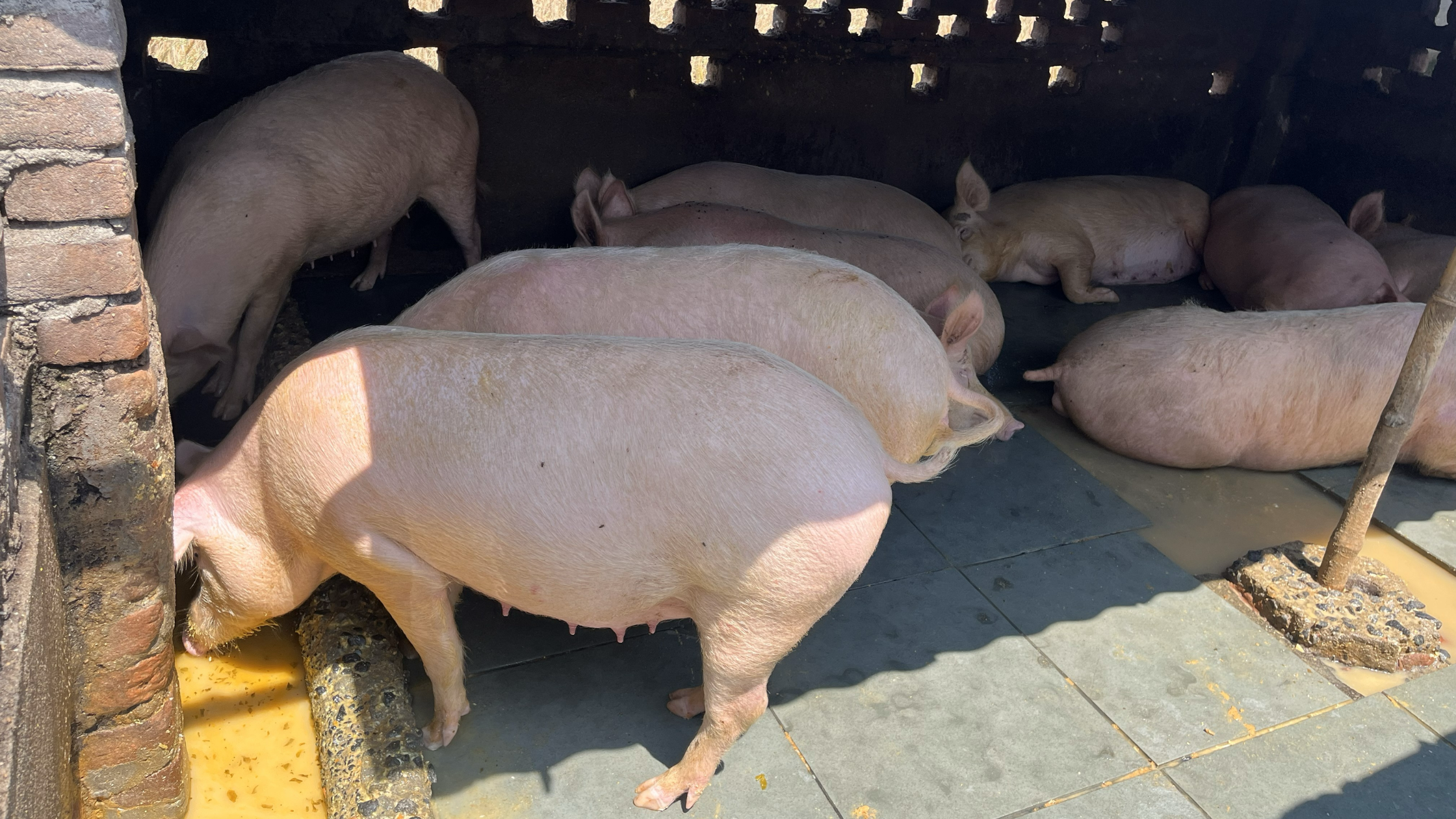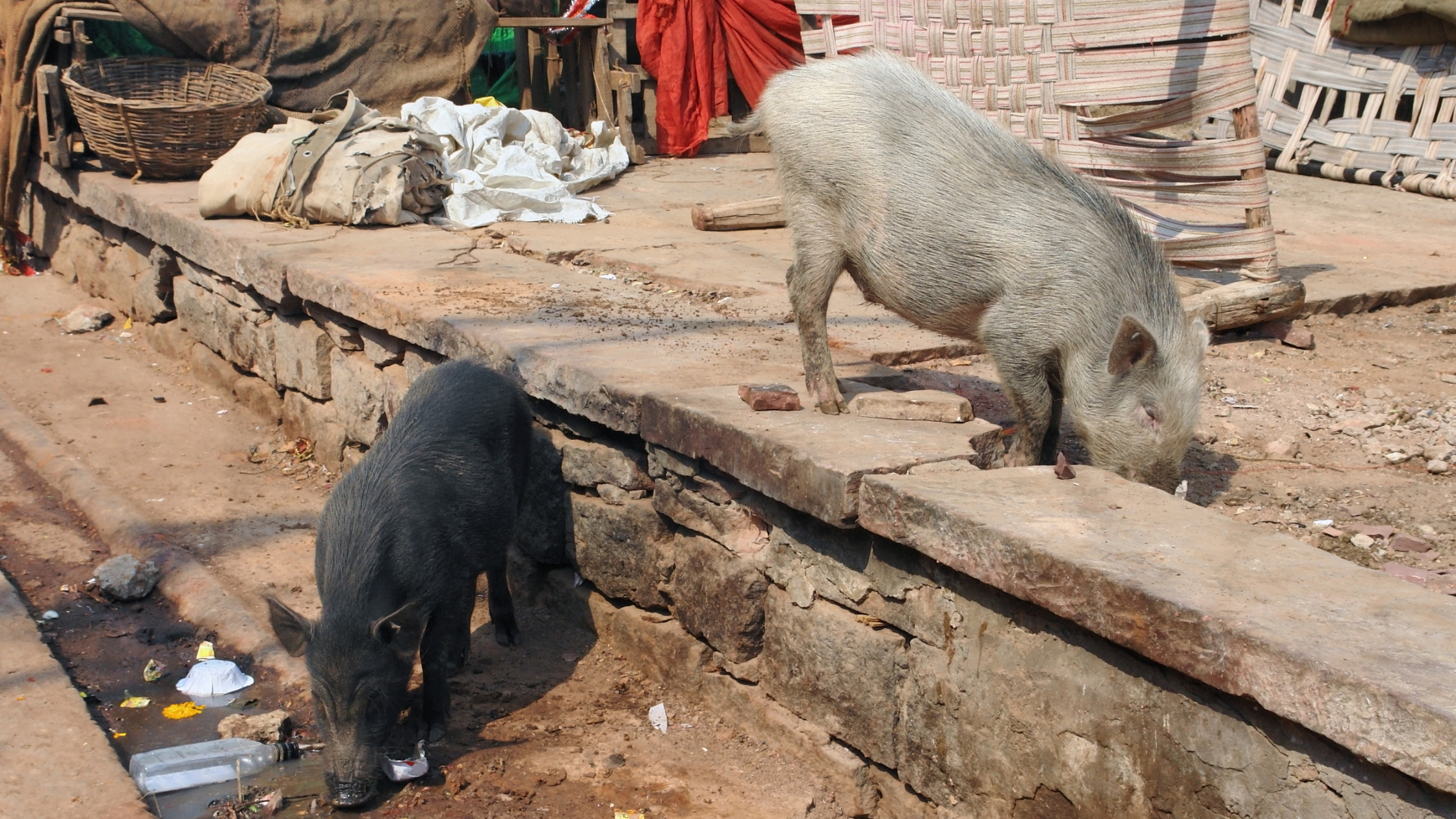
In a significant step forward for animal welfare and public health, the Nagaland government has issued a state-wide advisory cautioning against the feeding of untreated food waste—commonly known as swill—to pigs in both backyard and commercial farms. The move comes after sustained advocacy by Mercy For Animals India (MFA), highlighting the serious risks this practice poses to animals, farmers, and communities alike.
Responding to MFA’s formal appeal, the Directorate of Animal Husbandry and Veterinary Services has instructed all District Veterinary Officers across the state to actively regulate and discourage the use of unprocessed food waste in pig farming. The advisory underscores the urgent need to shift toward safer, science-backed feeding practices that protect animal health and prevent the spread of devastating diseases.
Feeding pigs stale, mold-contaminated, or heavily polluted food—particularly waste high in salt, oil, or chili—not only damages their digestive health but also poses significant risks to public health. Leading global authorities, including the Food and Agriculture Organization (FAO) and the World Organisation for Animal Health (WOAH), have consistently warned that feeding food waste is a major conduit for the spread of devastating livestock diseases such as African Swine Fever (ASF) and Foot and Mouth Disease (FMD).
To address these risks, the advisory directs District Veterinary Officers to refer to Mercy For Animals’ recommendations, which include three key actions:
- Prohibiting the feeding of untreated or unregulated food waste from hotels, canteens, and similar sources to pigs
- Ensuring pig farms follow only approved feeding practices and diets recommended by veterinary departments, ICAR institutes, and recognized livestock research authorities
- Strengthening monitoring and awareness efforts, with veterinary officers and livestock inspectors guiding farmers on safe, humane, and disease-preventive feeding practices
Building on these recommendations, the advisory also emphasizes educating pig farmers about how practices like swill feeding can accelerate the spread of highly contagious diseases such as ASF and FMD—outbreaks that have already caused immense losses across India’s pig-farming communities.
A Growing National Shift Toward Safer Pig Farming
Nagaland’s action is not an isolated win—it is part of a growing national movement sparked by Mercy For Animals India’s advocacy. In recent months, Gujarat and Uttarakhand have also issued state-level advisories taking decisive steps against swill feeding and promoting safer pig welfare practices. These developments signal increasing recognition by state governments that protecting pigs through humane, science-based feeding practices is essential not only for animal welfare but also for safeguarding farmers’ livelihoods and public health across India.
Together, these victories reflect a powerful shift toward responsible animal husbandry and show what’s possible when advocacy, science, and policy come together for lasting change.